Decode | Design | Develop

Capable, But Unsupported: Why Inclusive Education Matters.
This article outlines d-codex STEAM Labs’ vision for redesigning STEAM education through inclusive, flexible systems that remove barriers so students with disabilities and diverse learning needs can fully participate and thrive.
Devi Rajeev
3/2/20262 min read
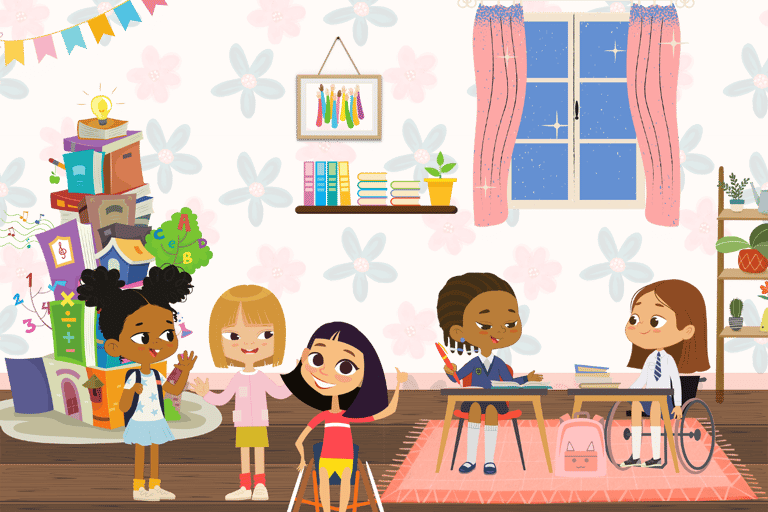
Inclusive education is important to me because I know what it feels like to be capable, but not fully supported by the system around you.
Growing up with chronic pain and ongoing health challenges, I learned early that traditional education models are not designed for fluctuating bodies, invisible illnesses, or non-linear productivity. I didn’t lack ability. I often lacked flexibility, understanding, and structures that worked with me instead of against me.
That experience shaped how I see education.
Inclusive education isn’t about lowering standards, it’s about removing unnecessary barriers. It’s about designing learning environments where students don’t have to choose between their health and their potential. Where different paces, formats, and ways of engaging are normal, not exceptions.
As an engineer and teacher, I’ve seen how many students quietly disengage because they don’t see themselves reflected in STEM pathways. Inclusive education, to me, is about widening those pathways - so talent isn’t lost simply because the system wasn’t adaptable.
It’s personal. It’s professional. And it’s the foundation of the future I want to help build.
STEAM education often demands strong physical and mental presence: long practical sessions, sustained screen time, lab work, group collaboration, fast-paced problem solving. For students living with disability, chronic illness, fatigue, pain, anxiety, or fluctuating cognition, simply being present can already require enormous energy.
Disability itself can create internal barriers - pain, brain fog, limited mobility, sensory overload. But too often, the educational system adds external barriers on top of that: rigid attendance rules, inflexible deadlines, one-size-fits-all assessments, inaccessible lab environments, and teaching models that assume consistent output and stamina.
That layered effect is what excludes people.
This is why I am deeply aligned with Universal Design for Learning. UDL shifts the question from “How do we accommodate this student?” to “How do we design learning from the beginning so variability is expected?”
It promotes:
Multiple means of engagement
Multiple means of representation
Multiple means of action and expression
For me, inclusive STEAM education means designing systems where fluctuating health is not a disadvantage, where participation can be flexible, and where students can demonstrate understanding in ways that work with their bodies and minds.
It’s about removing the external barriers so students are not fighting both their condition and the system at the same time.
Because talent should not be filtered out by endurance.
Discussion:
If we truly believe in equity, we must ask deeper questions:
What does inclusive education mean to you?
Is it simply physical access? Or is it designing systems where variability is expected, where health fluctuations are understood, and where different ways of thinking and producing are valued?
And beyond schools -
How can workplaces design inclusive training models? Can professional development be flexible, hybrid, paced differently, or outcome-focused rather than attendance-focused? Can performance be measured by impact instead of endurance?
How can schools provide true accessibility in STEAM? Through flexible deadlines? Multiple ways to demonstrate learning? Accessible labs and digital tools? Embedding Universal Design for Learning principles from the beginning rather than retrofitting accommodations?
Inclusion is not a favour. It is a design decision.
Because talent exists everywhere - but opportunity does not.
What changes would you make if you were designing education from the ground up?